Polyethylene Glycol (PEG) is a widely used compound in modern medicine, pharmaceuticals, and healthcare products. Known for its versatility and favorable safety profile, PEG appears in everything from over-the-counter laxatives to injectable drugs and topical formulations. Understanding its uses, mechanisms, side effects, and medical applications is essential for patients, healthcare professionals, and industry stakeholders alike.
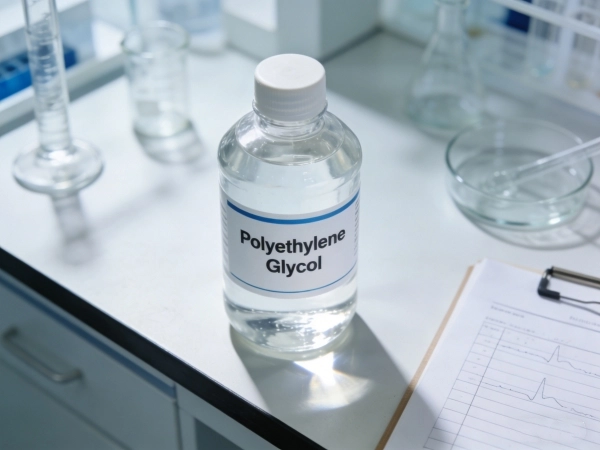
Polyethylene Glycol is a synthetic, water-soluble polymer produced by the polymerization of ethylene oxide. It is available in a wide range of molecular weights, commonly identified by numbers such as PEG 3350, PEG 400, or PEG 6000. These numbers indicate the average molecular weight and directly influence how PEG behaves in the body.
From a pharmacological perspective, PEG is considered biologically inert, non-toxic, and minimally absorbed by the gastrointestinal tract. Its primary mechanism of action—especially in digestive applications—is osmotic activity. PEG binds water molecules through hydrogen bonding, increasing water retention in the intestinal lumen. This softens stool and promotes bowel movement without stimulating intestinal nerves, which differentiates it from stimulant laxatives.
Because PEG is chemically stable, non-volatile, and compatible with many active pharmaceutical ingredients (APIs), it is also widely used as a pharmaceutical excipient in drug formulations.
One of the most recognized uses of Polyethylene Glycol is in the management of constipation. PEG-based laxatives are commonly prescribed for both acute and chronic constipation due to their predictable efficacy and low risk of dependence.
In digestive health, PEG is used for:
• Chronic functional constipation in adults and children
• Occasional constipation requiring gentle, short-term relief
• Bowel preparation prior to colonoscopy or gastrointestinal surgery
PEG 3350, in particular, is considered a first-line osmotic laxative in many clinical guidelines. Unlike lactulose or magnesium-based laxatives, PEG does not significantly alter electrolyte balance when used as directed. This makes it suitable for long-term use in certain patient populations, including the elderly.
Clinical studies consistently show that Polyethylene Glycol improves stool frequency, stool consistency, and patient comfort, while producing fewer adverse gastrointestinal effects such as cramping or bloating compared to alternative treatments.
Polyethylene Glycol is found in a broad range of medicines, either as an active ingredient or as an inactive excipient.
Medicines where PEG acts as an active ingredient include:
1. PEG-based oral laxatives (e.g., PEG 3350 powders)
2. Electrolyte-balanced bowel cleansing solutions
3. Medicines where PEG functions as an excipient include:
4. Tablets and capsules (as a binder or coating agent)
5. Injectable drugs (as a solvent or stabilizer)
6. Topical creams and ointments (as a humectant)
7. Ophthalmic solutions and lubricating eye drops
8. Vaccines and biologics (as a stabilizing agent)
In pharmaceutical formulations, PEG improves solubility, enhances drug stability, and supports controlled drug release. Its role is particularly important in injectable and biologic medicines, where consistency and molecular compatibility are critical.
Polyethylene Glycol is generally well tolerated, especially when used within recommended dosages. However, like any medicinal substance, it may cause side effects in some individuals.
Common side effects include:
• Abdominal bloating
• Flatulence
• Nausea
• Diarrhea (especially with excessive dosing)
These effects are typically mild and transient, resolving as the body adjusts or when the dosage is reduced.
Less common but more serious side effects may include:
1. Electrolyte imbalance with prolonged misuse
2. Dehydration due to excessive fluid loss
3. Hypersensitivity reactions, such as rash or itching (rare)
In rare cases, allergic reactions to Polyethylene Glycol have been reported, particularly in injectable formulations. Patients experiencing severe or persistent symptoms should discontinue use and consult a healthcare professional.
Extensive clinical evidence supports the safety of Polyethylene Glycol for both adults and children when used appropriately. PEG-based laxatives are frequently prescribed in pediatric care, including for long-term management of chronic constipation.
Safety considerations by population:
Adults: Generally safe for short- and long-term use under medical guidance
Children: Widely used, including in infants, with weight-adjusted dosing
Elderly patients: Preferred due to lower risk of electrolyte disturbances
Polyethylene Glycol is not associated with dependency or reduced bowel function, even with extended use. However, individuals with intestinal obstruction, severe abdominal pain of unknown origin, or known PEG hypersensitivity should avoid its use unless advised by a physician.
As with all medications, proper dosing and adherence to medical advice are essential to maintaining safety.