Polypropylene glycol (PPG) is a widely used polymer with applications ranging from personal care products to industrial processes. Questions about its natural or synthetic origin frequently arise among consumers, manufacturers, and regulators. Understanding its chemical structure, production methods, and real-world applications is essential for assessing whether it can be classified as “natural.”
This article provides an in-depth analysis of polypropylene glycol, its sources, uses, and regulatory considerations.
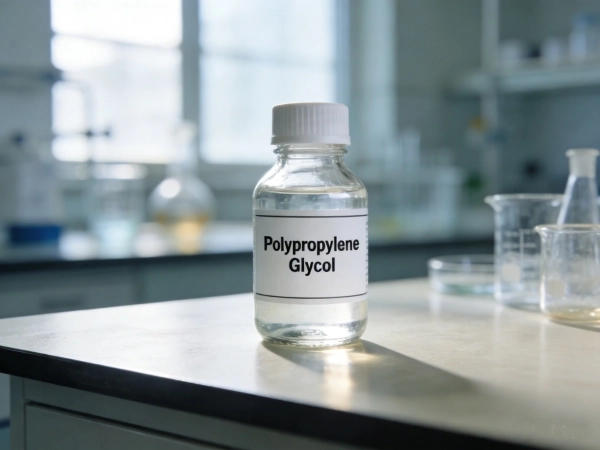
Polypropylene glycol is primarily produced through the polymerization of propylene oxide, a compound derived from petroleum-based feedstocks. While it is chemically related to glycols found in nature, such as glycerol or ethylene glycol, PPG itself does not naturally occur in plants or animals.
Some manufacturers have explored bio-based alternatives by sourcing propylene oxide from renewable materials like plant-derived glycerol. However, the majority of polypropylene glycol on the market today remains synthetic. Therefore, labeling PPG as “natural” in its conventional form is scientifically inaccurate.
Distinguishing between synthetic and natural polypropylene glycol is crucial for both regulatory compliance and consumer transparency.
• Derived from petrochemicals through controlled polymerization of propylene oxide.
• Highly consistent molecular weight, viscosity, and purity.
• Preferred in industrial applications for stability and performance.
• Derived from renewable resources using biotechnology or chemical conversion.
• Slightly higher production costs due to raw material sourcing.
• Often marketed in “green” or eco-friendly products.
The structural similarity of PPG to naturally occurring glycols does not make it “natural” in the conventional sense. Understanding this distinction is essential for product labeling and marketing compliance.
Polypropylene glycol is a polyether compound with the general formula HO–(CH2CH(CH3)–O)n–H, where n represents the number of repeating propylene oxide units. Its polymeric structure determines its viscosity, solubility, and reactivity, making it suitable for a wide range of applications.
Unlike simple glycols found in nature, PPG has a larger molecular weight and branched structure, which influences its water solubility and thermal stability. These chemical characteristics make it an essential ingredient in:
• Lubricants and hydraulic fluids
• Cosmetics and personal care products
• Polyurethane foams and coatings
PPG’s versatility has made it ubiquitous in both consumer and industrial products. Understanding its practical applications clarifies why its production is primarily synthetic:
• Moisturizers, lotions, shampoos, and hair conditioners
• Functions as a humectant, solvent, and texture enhancer
• Anti-icing agents and hydraulic fluids
• Lubricants and plasticizers in polyurethane foams
• Surfactants and chemical intermediates
• Occasionally used as a carrier for flavorings or in pharmaceutical formulations
• Must comply with strict regulatory standards (e.g., FDA approval in the US)
The widespread use of PPG underscores the importance of understanding its chemical origin and safety profile.
Despite its frequent appearance in consumer products, PPG is not naturally occurring. Misleading marketing claims sometimes suggest that PPG is “natural” due to its chemical similarity to other glycols or the availability of bio-based alternatives.
• Standard PPG is synthesized from petrochemicals, not extracted from plants.
• Bio-based polypropylene glycol exists but represents a small fraction of total production.
• Regulatory bodies generally require synthetic PPG to be labeled accurately to prevent consumer confusion.
For companies, regulators, and consumers, understanding these distinctions ensures accurate labeling, safety compliance, and informed purchasing decisions.